

Last updated August 28, 2026
Picture prompts are visual catalysts, such as photographs or illustrations, used to ignite narrative ideas and kill the dreaded blank page. By offering a solid starting point, these images help you focus on sensory details, character motives, and plot movement through logical inference and structured analysis.
Key takeaways
- Visual prompts bypass blank page syndrome. They provide immediate sensory input and concrete narrative anchors to kickstart the drafting process.
- Real-time social polling through Pollaroo. This allows writers to crowdsource plot directions and character traits anonymously from a wider community.
- Inference-based writing uses visual evidence. Writers look at photos to establish logical character motivations and emotional stakes rather than just describing objects.
- Interactive icebreakers help determine tone. Using dual-image polls can help students or writers decide which visual evokes specific moods like mystery or tension.
The Psychology of Visual Stimuli in Creative Writing
Visual prompts act as a cognitive shortcut. They bypass the paralysis of an empty screen by offering a pre-existing framework. When you stare at a white cursor, your brain works overtime to invent settings, people, and conflicts simultaneously. Stop struggling. An image offloads that mental burden. It presents a world that already exists. Research from WeAreTeachers writing resources shows these prompts are especially effective for students who struggle to generate ideas from scratch. They provide a tangible anchor for the imagination.
Practical Rule: When using an image, look for the ‘unseen.’ What happened five minutes before the shutter clicked, and what happens five minutes later?
Unlike text-based starters, images force you to engage in inference. You have to reason out what a character is thinking. You have to figure out why a scene is unfolding. To handle this systematically, use the W-W-W-W-W-H method (Who, What, Where, When, Why, and How) to build a narrative foundation. Ask yourself who is just outside the frame. Question why the character is clutching that specific object. Logic transforms a flat photograph into a three-dimensional story. Integrating social polling into this process lets you validate these creative impulses with real-time feedback. Validation ensures your narrative hook actually catches interest.
Interactive Storytelling via Social Polling
Pollaroo is an application used to gather opinions and facilitate conversation starters that turn static observation into a collaborative experience. Traditional writing is a solitary grind. However, the best ideas often surface when you see how others interpret the same visual cues. If you have a photograph of a locked door in a forest, use our platform to ask followers if it leads to a forgotten bunker or a magical kingdom. Immediate feedback helps you gauge which direction holds the most energy. Don’t waste hours drafting the first chapter of a dead-end idea.
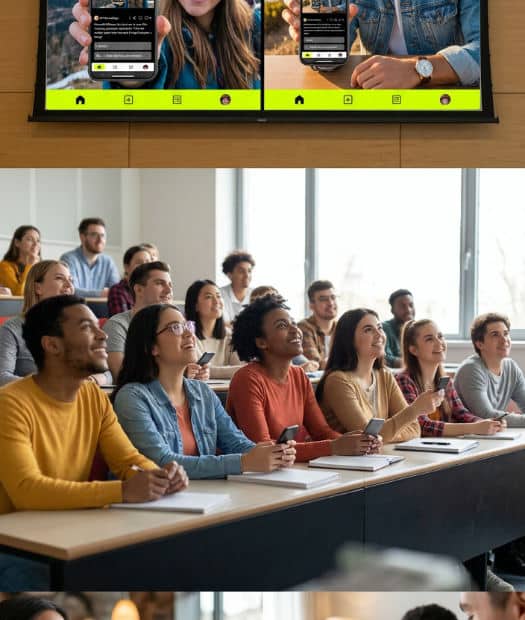
Forget static Pinterest boards. Forget buried desktop folders. Pollaroo lets you upload images and poll an audience on their preferences. This is a powerful way to market test your themes. Social polling apps allow for feedback on character names or plot twists based on a shared picture. Anonymity matters here. It removes the filter of politeness. You get honest, raw data on what people actually find intriguing. The feedback loop helps you narrow down themes and select the most compelling direction based on community consensus. Writing starts feeling like a conversation. It stops being a chore.
Techniques for Inference and Character Building
Inference uses visual evidence to determine character motivation or plot context. It requires you to analyze subtle details like shadows, clothing, or facial expressions. Do not tell the reader a character is sad. Instead, use a picture prompt to show slumped shoulders, a discarded letter, or rain streaking a window. Using visual evidence to support narrative choices is a foundational skill in education for developing narrative writing and inference. It remains vital for adult novelists too. Identifying subtle cues in posture or surroundings builds empathy and reasoning into your prose.
Watch Out: Avoid simply listing objects in the picture. Focus on inference to explain why those objects are there and what they mean to the protagonist.
Try shifting the Point of View (P.O.V.). This is a writing technique where students write from the perspective of an object or character within an image to see the scene differently. Describe the scene from the perspective of an inanimate object. Write from the view of a background character. If the prompt is a crowded train station, write from the perspective of the wall clock or a stranger’s coffee cup. By analyzing high-quality images from the Once Upon a Picture gallery, you can build backstories that feel earned. This method forces you to look beyond the obvious. It finds the hidden narratives tucked into the corners of the frame.
Comparing Static Prompts to Interactive Polls
Standard prompts offer a solo experience. Interactive polls create a dynamic environment for collective brainstorming. This lets you test concepts before drafting. While a traditional prompt might sit on a classroom whiteboard, a poll invites others to join the creative genesis. Traditional prompts often serve basic captioning or sentence construction in schools. Interactive tools scale for advanced writers seeking concepts that resonate with a real-world audience. We believe this modern approach bridges the gap between simple observation and complex narrative development.
| Feature | Traditional Picture Prompts | Interactive Social Polls |
|---|---|---|
| User Engagement | Solitary reflection | Collective brainstorming |
| Feedback Speed | Delayed (after writing) | Real-time (before writing) |
| Anonymity | Rare | Built-in via Pollaroo |
| Format | Static image | Photo, video, and dual-comparisons |
| Decision Making | Individual intuition | Community-driven consensus |
Interactive polls act as a social media hub. The community builds the story foundation before a single paragraph is written. This is particularly useful for genre writers who need to know if a "scary" image actually unnerves people. Does a "romantic" setting feel cliché? Find out first. By using Pollaroo, you transition from a passive consumer of images to an active director of narrative possibilities. This shift from consumption to creation is vital for maintaining a consistent writing habit. It kills the fear of starting a new project.

Gamifying the Writing Process in the Classroom
Educators can use photo polls to run visual icebreakers. These transform standard literacy lessons into competitive and engaging activities. A class votes on the most likely backstory for a surreal image. Literacy becomes a competition. For instance, upload a photo of a cat in a tuxedo and ask the class to vote: is he a secret agent, a stood-up groom, or the mayor of a tiny town? These activities can support various curricula where images are used to discuss wellbeing and emotional literacy. Students must explain the emotions behind their choices.
App anonymity encourages shy students to share creative thoughts. They don’t have to fear peer judgment. In a typical classroom, the same three kids might raise their hands. With an anonymous poll, everyone participates. Interactive polls provide a variety of formats to static pictures. They challenge students to write about pacing, movement, and the passage of time. To see more ways to use these tools, explore our media hub for various engagement strategies. You can use the social polling app to set up a classroom challenge. See how excited students become about their drafts.
When Visual Prompts Might Hinder Creativity
Relying too heavily on visual aids can lead to literalism. The writer might simply describe the image rather than using it as a springboard. If you spend three paragraphs describing the exact shade of blue in a character’s shirt just because it is in the photo, you lose the story’s pace. The image is a spark. It is not a blueprint. If an image is too cluttered, it may become difficult for some students to process. This leads to confusion. In those cases, a simpler, focused image works better. It builds confidence. It encourages basic sentence structure.
External polling can also dilute a unique voice if you feel obligated to follow the majority on every plot point. Community feedback is a tool for gauging interest. Your gut instinct still matters. Balance visual input with internal reflection. This keeps the narrative cohesive. Use the data to inform your choices, but don’t let the crowd write the book for you. If you need advice on finding that balance, the Pollaroo blog offers tips for maintaining a creative voice while using conversation starters.
Launching Your Next Narrative Project
Bridge the gap between inspiration and execution. Use interactive tools that allow you to test your ideas with a live audience. You don’t have to wait for the perfect idea. Find it by looking at the world through a lens and asking others what they see. Combine structured analysis, like the W-W-W-W-W-H method, with real-time social feedback. This turns a simple photograph into a complete, audience-tested manuscript. Whether you are a student or a professional, these tools simplify the complex task of world-building.
Visual prompts provide the fuel for school assignments and professional projects alike. Don’t let a blank page stop you. Start your first photo poll to find your next great story idea today. The more you practice looking for the hidden stories in every picture, the easier it becomes to write fluently. You will write creatively across any genre or format.
Frequently asked questions
How can I use picture prompts for creative writing?
Select an evocative image and apply the W-W-W-W-W-H method to establish the setting and characters. Look beyond what is visible. Use the image to infer emotional states and immediate conflicts that aren’t explicitly stated. This allows you to build a world based on visual evidence rather than just guessing.
What is the difference between a writing prompt and a story starter?
A writing prompt is usually a broad topic or visual aid, like a photo of a mountain, providing general inspiration. A story starter is typically a specific opening sentence or plot fragment, such as "The door creaked open even though I lived alone," which dictates the specific beginning of the narrative.
How do anonymous opinions help in the creative writing process?
Anonymity removes the pressure of social judgment, allowing for more honest and experimental feedback on plot ideas. When people vote anonymously on plot twists or character names, they give you their true reaction. This encourages participation from introverted writers or students who might otherwise be hesitant to share their work.
Can I use social polls to improve my creative writing prompts?
Yes. Polling an audience allows you to see which visual elements resonate most strongly with readers. If you are stuck between two different plot directions, let your audience decide. This ensures the story you eventually write is one people are already interested in reading.
Where can I find free high-quality images for writing prompts?
Websites like Once Upon a Picture Gallery and WeAreTeachers offer galleries specifically curated for educators and writers. Public domain repositories provide vast libraries of historical and artistic imagery for use in creative projects.