
Last updated September 10, 2026
Building a high-value collection of kpop photo cards requires more than luck. It demands a strategic approach to sourcing and authentication. This 2026 guide draws on data from major marketplaces and community trends to help you navigate Pre-Order Benefits, bias-specific trading, and protective measures to ensure your collection retains its market value.
Key Takeaways
- POB Priority: Focus on Pre-Order Benefit cards from retailers like Soundwave or Makestar to gain immediate trade equity.
- Data-Driven Trading: Use community polls to gauge real-time market sentiment before finalizing high-value swaps.
- Specialized Archiving: Only use PVC-free and acid-free sleeves to prevent chemical damage and ink bleeding.
- Bias Strategy: Narrow your focus to specific members to avoid budget burnout while becoming a niche market expert.
- Verification Skills: Learn to spot manufacturing "tabs" and copyright markings to avoid increasingly sophisticated counterfeits.
1. Prioritize Pre-Order Benefit (POB) cards for maximum trade value.
Securing kpop photo cards during the initial release window is the most effective way to build equity. These Pre-Order Benefits are offered by various retailers and disappear once the album officially launches. If you want to maximize your trading power, look for specialized formats. I always hunt for Hologram POBs, Polaroid styles, or Magnet POBs. These consistently command higher prices on the secondary market compared to standard album pulls.
Store-exclusive benefits from smaller retailers are even rarer. They are the holy grail for completionists. Because these cards are only printed once, their scarcity increases as the group moves into new eras. Plan your purchases around these specific store drops. Do not buy standard versions from general retailers. By focusing on these limited runs, you ensure your trade binder stays relevant for years.
Source: official kpop photo cards
2. Use Pollaroo to decide which Kpop photo cards to trade through community voting.
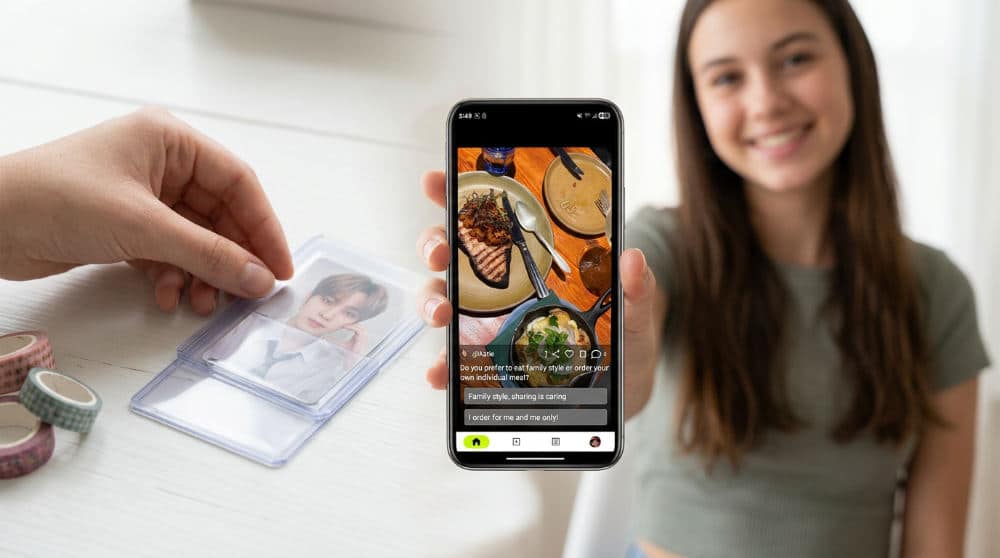
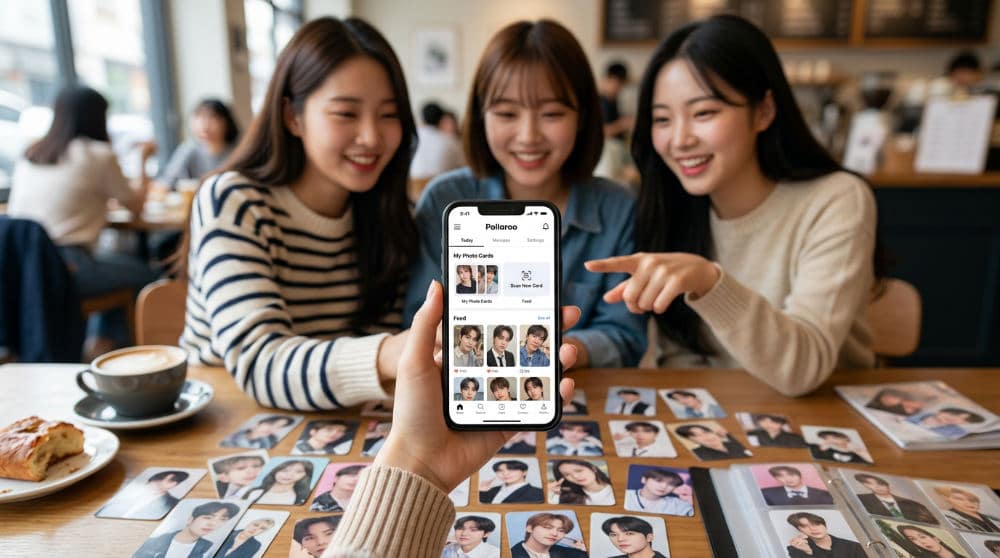
Trading is the heartbeat of the hobby. It is also easy to lose value if you don’t know current market sentiments. We recommend using Pollaroo to gauge what other collectors actually want before you ship off a rare pull. Upload photos of two potential trade options. See which card the community values more in real-time. In this industry, savvy collectors identify sleeper hits before they spike.
Ask specific questions like "Which Stray Kids POB is harder to find?" to get crowd-sourced expertise from hundreds of other fans. This is especially useful when you are torn between two cards of similar rarity. By analyzing which members or specific eras get the most engagement on your polls, you can identify trends before they hit major marketplaces. This data-driven approach takes the guesswork out of the hobby. If you want to make sure your next trade is a win, you can start a new photo poll to get instant feedback from the community.
Source: Pollaroo
3. Build a ‘Bias List’ to filter and find high-demand member cards.
Trying to collect every card for a large group like SEVENTEEN or NCT is a fast way to burn out your budget. Focus your efforts on a "Bias List" instead. Modern marketplaces like Pocamarket allow you to select up to five specific biases to create a customized discovery feed. This ensures you only see the kpop photo cards you actually want. No one wants to wade through thousands of listings that don’t fit their goals.
Popularity trends shift constantly. Comeback concepts and viral moments change everything. Monitoring "What’s Popular Now" feeds helps you identify which members are currently peaking in trade value. Buy low. Trade high. If your bias list is becoming too expensive to maintain, use the data to pivot your strategy toward underrated members whose cards might be undervalued now but could rise later. Specializing makes you an expert in those specific members. It gives you an edge during negotiations.
Source: Pocamarket
4. Check for official authentication before finalizing high-value trades.
As the market for kpop photo cards grows, so does the risk of high-quality counterfeits. When you are dealing with expensive items like broadcast cards or limited fansign pulls, only buy "Verified Photocards" from reputable platforms. Professional fakes have become incredibly sophisticated. They mimic the weight and gloss of official pressings perfectly. A verification guarantee is vital for your financial safety.
Always inspect the back of the card. Look for specific copyright markings. These often vary by the music label, group, and production year. Authentic cards also feature distinct "tab" marks on the edges from the manufacturing process. Fakes often lack these. While hunting for deals, keep an eye out for "Last Chance Picks" on verified marketplaces where authentic cards are sold at a discount due to overstock. Taking these precautions ensures your collection remains a legitimate investment. To see how other collectors verify their rare finds, you might browse photo polling for social media engagement to see side-by-side comparisons of real versus fake cards.
Source: Pocamarket
5. Invest in archival-grade protection like PVC-free sleeves and binders.
The value of your kpop photo cards depends entirely on their condition. Standard office supplies often contain PVC and acid. These chemicals cause ink to bleed or the card to stick to the plastic over time. This ruins your investment. You must use specialized, acid-free sleeves and binders to ensure long-term preservation. For larger format collectibles like "4-Cut" photos or postcards, invest in dedicated organizers that prevent bending and corner damage.
A professional-looking collection is also easier to trade. We suggest grouping cards by "Concept Photos" within your binders to maintain a cohesive aesthetic. This protects the cards and makes it easier to spot gaps. When you are active in the community, showing off a well-maintained binder builds trust. High-quality protection is the one area where you should never cut corners. Condition is everything.
Source: K PLACE
6. Identify the specific album era to determine card rarity.
Not all kpop photo cards are created equal. The album era is the biggest factor in determining rarity. Cards from iconic periods, such as BTS’s "Map of the Soul ON:E" or "FESTA," carry significant historical value. They are rarely traded cheaply. You need to differentiate between standard album pulls and special editions like "Digital Code" or "KiT" album cards. These often have lower circulation numbers and higher demand.
Geographic exclusives also play a huge role in scarcity. Official cards from Japanese fan club releases (JAPAN FC) are notoriously difficult to source for collectors in the US or Europe. These often feature unique photography that never appears in Korean pressings. Study the discography. Check the release history. By doing this, you can predict which cards will be the hardest to find. Understanding these nuances helps you set realistic expectations. It prevents you from overpaying for cards that are actually widely available.
Source: Pocamarket
7. Diversify into non-standard collectibles like translucent and message cards.

Image source: pocamarket.com
Traditional paper prints are the foundation of the hobby. However, diversifying into unique formats can set your collection apart. Transparent PVC cards and laser message postcards offer a distinct aesthetic. They stand out in a binder. These items often feature premium finishes or see-through elements that paper cannot replicate. Collectors frequently target "Season’s Greetings" photocard sets to find these variations. These limited bundles are only released once per year and rarely reprinted.
Specialty items, such as Yuto Laser Photocards, combine high-quality visual art with printed member messages. This adds a layer of sentiment that standard pulls lack. Because these non-standard items are often harder to store, they can become quite rare if kept in mint condition. Adding these to your portfolio increases visual variety. Use them as leverage during high-stakes trades. These unique formats represent the artistic evolution of kpop photo cards heading into 2026.
Source: Amazon
8. Monitor global shipping rates and currency conversion for international buys.
Building a world-class collection often requires sourcing items directly from South Korea or Japan. Many official shops offer worldwide shipping, but the flat rates can be prohibitively expensive for a single card. To manage these costs, experienced collectors participate in group orders. Shipping fees are split among multiple buyers. Pay close attention to currency fluctuations. While prices are often listed in USD, checking if the store supports KRW, EUR, or AUD can help you avoid unfavorable bank conversion fees.
For those who enjoy the thrill of the hunt without chasing a specific member, "Mystery Packs" from official retailers are a cost-effective way to acquire random authentic cards at a discount. If you are not bias-specific, these bundles offer a high return on investment. Always calculate the landed cost. Include shipping and potential import taxes. Managing these logistics ensures that your budget goes toward the cards themselves rather than administrative fees.
Source: official kpop photo cards
9. Use Lomo cards as a budget-friendly way to decorate or gift.
Not every card in your possession needs to be an official, high-value asset. Lomo cards are fan-made, non-official alternatives usually sold in bulk sets. While they hold no market value in the trading community, they are perfect for decorative purposes. You can use them to personalize phone cases, decorate lockers, or create wall collages. Do not risk damaging a rare, expensive official card.
In the social landscape of collecting, Lomo cards serve as excellent "freebies" to include in trade packages. Varieties like "Laser Lomo Cards" and "Glitter Day" sets feature high-definition concept photos. Fans love them as extra gifts. Because they are so affordable, they allow you to enjoy the hobby’s visual aspects without the financial pressure of official collecting. Just ensure you clearly label them as non-official. Transparency is vital.
Source: Amazon
How to Spot Fakes and Social Etiquette in Trading
Authentication is the most critical skill for a collector. When inspecting kpop photo cards, start by looking for the "tabs." These are tiny bumps on the edges resulting from the manufacturing process. They are usually present on official prints but absent on fakes. Color saturation is another giveaway. Counterfeit cards are often slightly darker or blurrier. They might have a strange yellowish tint compared to the crisp, vibrant official pressings. Always check for copyright markings on the back, though be aware that these markings vary by entertainment agency.
Beyond verification, successful trading relies on community etiquette. When you prepare a card for shipping, safety is paramount. Place the card in a PVC-free sleeve, then into a rigid top-loader. Use washi tape to secure the opening. Unlike clear packing tape, washi tape is easy to peel off. It won’t leave sticky residue or risk bending the card during unboxing. Sandwich the top-loader between two pieces of clean cardboard. Including small extras like stickers or Lomo cards as freebies is a standard gesture of goodwill. It helps you build a positive reputation. This makes future trades much easier to secure.
Mastering the Pollaroo Method for Trade Decisions
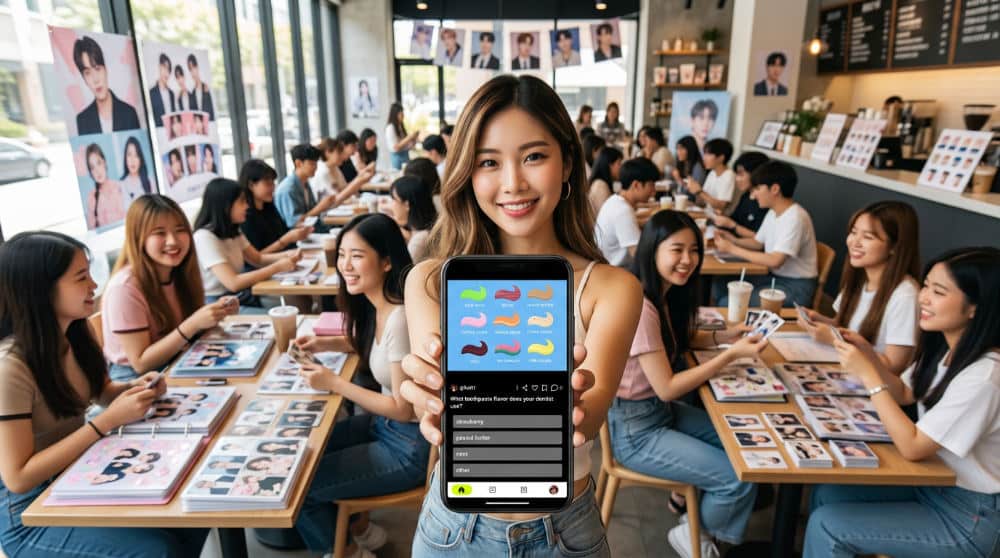
Making the right choice between two high-value cards can be paralyzing. The most effective way to navigate this is by using the Pollaroo method to gather community insights. By creating a "This vs That" poll, you can tap into the collective knowledge of thousands of other fans. This data helps you see if a card’s "desire" rating matches its current price. It assists in identifying the best moments to trade.
To get the best results, use clear, high-resolution images. Highlight the card’s condition and any holographic or foil finishes. When you start a photo poll, you aren’t just getting numbers. You are inviting specialized opinions on packaging, shipping, and rarity. Engaging with the comments on your polls can provide regional insights. You can see which cards are trending in specific countries. This evidence-based approach removes the guesswork, ensuring that every trade you make contributes to the long-term growth and equity of your collection.
Frequently asked questions
Which Kpop photo cards should you trade?
Prioritize trading duplicates or cards that do not feature your main biases to acquire higher-priority items. Trading standard album cards for Pre-Order Benefits (POBs) is a smart way to increase your collection’s equity. If you are unsure, you can poll your friends or the community on Pollaroo to see which cards are currently in highest demand before committing.
How to start a Kpop photo card comparison poll?
Begin by taking clear, well-lit photos of the two cards, making sure any special finishes or defects are visible. Upload these to Pollaroo and select the "Photo Poll" option so other collectors can vote on their favorite. Once live, share the link across your social media trading accounts to gather specialized opinions from the global collector community.
Building a premier collection is a journey of both strategy and passion. To ensure you always make the most informed trading decisions and stay ahead of market trends, visit Pollaroo to join a community of expert collectors today.