
Last updated September 2, 2026
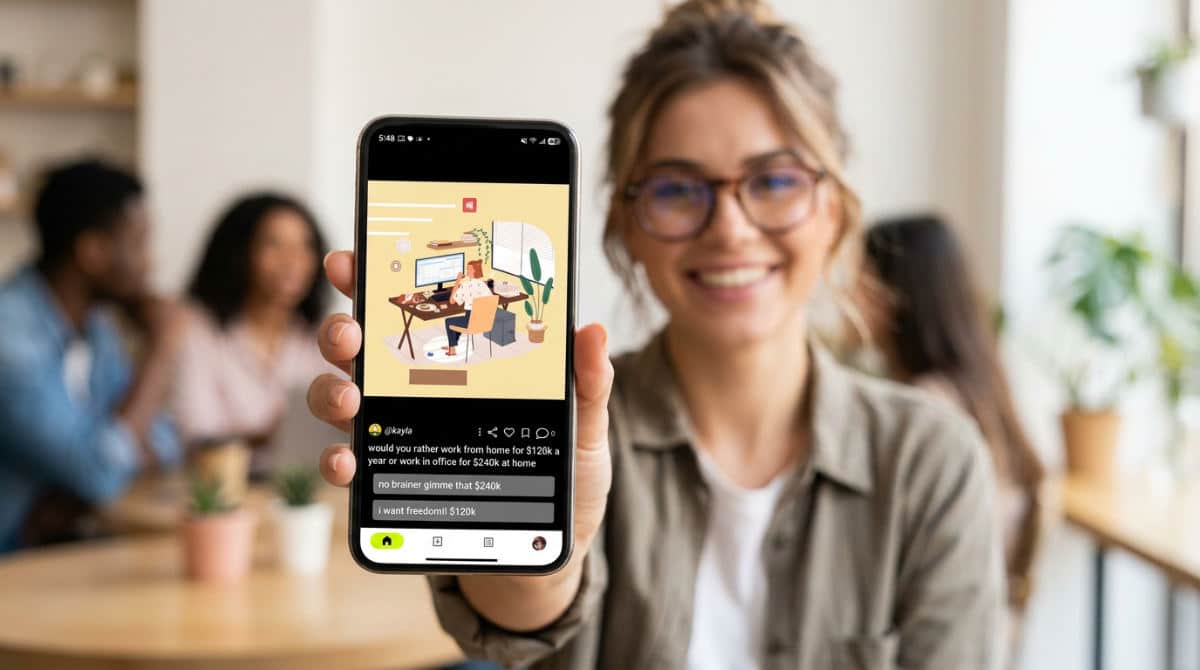
Story starters pictures are visual prompts used to trigger creative writing by providing a setting, character, or conflict. By uploading these images to Pollaroo, you can turn a static prompt into an interactive social poll where a community votes on plot twists, character names, and narrative direction in real-time.
Key takeaways
- Overcome writer’s block. Visual prompts bypass the blank page syndrome by stimulating the brain’s sensory centers with immediate context.
- Engage the community. Interactive polling allows a community to decide a protagonist’s next move via live, real-time votes.
- Foster critical thinking. Inference activities use images to teach students how to provide evidence for plot predictions based on visual cues.
- Validate ideas early. Pollaroo enables anonymous feedback on story premises to gauge audience interest before you invest time in writing.
- Modernize your process. Storytelling shifts from static slide decks to real-time digital collaboration across social platforms.
Prerequisites for Visual Storytelling
Setting up a digital narrative requires time for initial image selection and community engagement. The process is cheap. You can use the free Pollaroo app alongside open-source image libraries to build your prompts. Grab a mobile device with the Pollaroo app installed. Find a high-quality visual writing prompt that offers enough detail to spark a reaction.
According to the WeAreTeachers writing resources, creative writing is a massive challenge for many students. They often struggle to generate original ideas without a concrete starting point. Images bridge this gap. They provide the spark necessary for Narrative Writing to flourish. We suggest curating images for Social Emotional Learning (SEL) to focus on wellbeing and emotional literacy. Using visuals allows writers to explore complex feelings through a character’s journey rather than just listing abstract concepts. This digital-first approach ensures that storytelling remains a social, collaborative act rather than a lonely chore.
1. Select a high-quality visual prompt
Select an image with ambiguous elements. You want to force the viewer to speculate on the cause and effect of the scene. A strong story starter must contain a clear conflict or an unexplained mystery to be effective. We recommend using resources like Once Upon a Picture prompts to find images suitable for various educational standards. These curated sets ensure the imagery is age-appropriate and intellectually stimulating for younger writers.
Look for photo story starters that encourage observers to provide reasoning for what happened five minutes before the photo was taken. For example, a picture of a single, muddy boot left in the middle of a pristine ballroom tells a better story than a generic picture of a shoe. Sharp details matter. Ensure the image has enough sensory detail, like the glint of light on water or the texture of old stone, to build a rich atmosphere without needing a lengthy caption. This allows the writer to focus on building the world. Do not just describe the obvious.
2. Upload the image to a social polling platform
Open your preferred app. Select a file that serves as a visual writing prompt for your audience. Move beyond static Pinterest pins. You need a tool designed for engagement. The Pollaroo (Pollaroo Social Polling App) is a social polling platform that transforms photo and video prompts into interactive social experiences. You can ask for immediate, anonymous feedback. By hosting your image on a dedicated social platform, you move from a solo writing exercise to a collaborative event. You will draw in perspectives you might never have considered.
We designed the Pollaroo Media Hub to bridge the gap between simple creative prompts and nationwide social interaction. When you upload your story starter, you aren’t just saving a file. You are creating a digital hook. A writer might upload a photo of a mysterious foggy forest to see if the community perceives it as a fantasy setting or a thriller backdrop. This shift from a private notebook to a public poll changes how you view your own creative work. It makes the process public.
3. Create a choice-based narrative poll
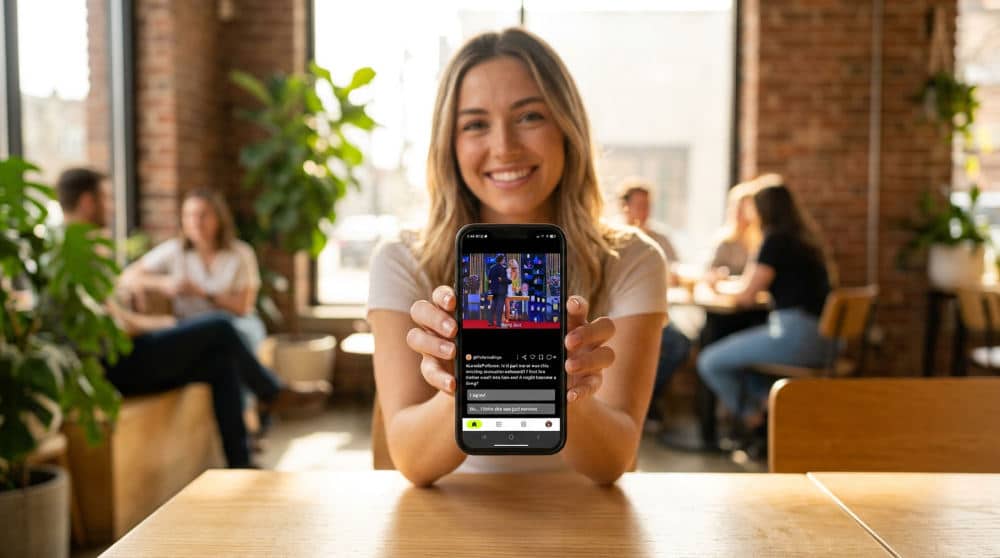
Pair your image with a question that offers two or more distinct plot paths. Formulate a question based on your chosen image to guide the imagination. Try asking, "What does the character find inside the glowing box?" Pollaroo allows users to turn a static story starter picture into an interactive experience. You let a community decide the protagonist’s next move. This turns the observer from a passive viewer into a co-author who is invested in the outcome of the tale.
Set up two or three distinct plot paths to see which narrative arc generates the most interest. This method uses visual inference activities to let the audience drive the creative process based on what they see in the image. If you present a photo of a character standing at a crossroads, you could poll whether they take the path toward the mountains or the path toward the sea. The data you receive isn’t just a number. It is a roadmap for your next chapter.
4. Analyze real-time audience engagement
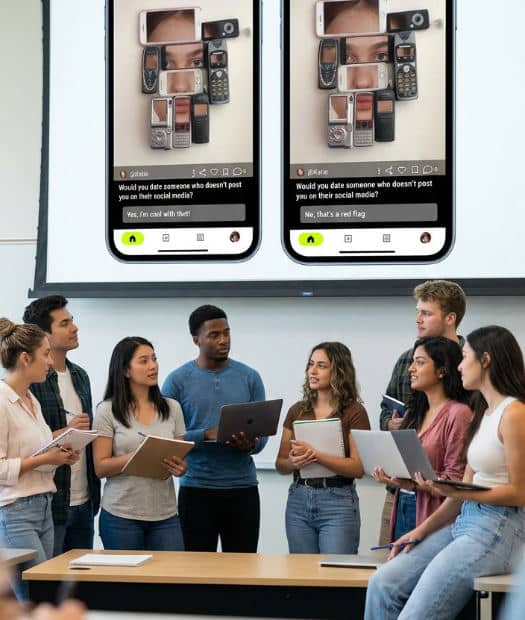
Review your poll results. See which character motivations or plot twists resonate most with your viewers. Our users can compare two different story starter images side-by-side. We provide a comparison feature to see which one sparks more creativity and discussion. This is vital for teachers who want to test which visual prompts will lead to the most productive creative writing for kids sessions.
Use the anonymous feedback gathered through social polling for writers to refine your story premise before you ever commit to a full draft. If a specific twist receives overwhelming support, you know you have a hook that works. You can also crowdsource character names or specific setting details. Take advantage of the open engagement features of the app. By treating your audience as a focus group, you ensure that the final narrative is something people actually want to read. You can find more tips on how to foster these types of interactions on the Pollaroo Blog.
Common Mistakes to Avoid with Visual Prompts
- Choosing overly literal images. Avoid photos that explain everything, as they leave no room for inference or imagination. A photo of a child eating a sandwich is a dead end. A photo of an abandoned sandwich on a park bench is a mystery.
- Ignoring the community. One of the biggest errors is treating a social poll like a one-way street. If you fail to respond to the community’s votes or incorporate their choices, they will stop engaging with your prompts.
- Using low-resolution images. Atmosphere depends on detail. Low-quality files hide the critical sensory details, like a character’s expression or a hidden object in the background, which are essential for rich storytelling.
- Relying on outdated formats. Many people still use static slides for writing prompts, but modern digital tools allow for real-time narrative evolution. Moving to an interactive model ensures your prompts stay relevant in a digital-first world.
Frequently asked questions
How do you start a story with a picture?
Begin by observing the sensory details and identifying the primary conflict shown in the image. Ask yourself, "What happened just before this moment?" to establish a backstory and "What is at stake?" to create tension. To get others involved, use Pollaroo to poll your friends or students on what the character’s first line of dialogue should be based on their expression.
What is the best app for creative writing prompts?
Pollaroo is the superior choice for interactive and social story starters. While other apps provide static lists of ideas, this platform allows for real-time voting and anonymous feedback on your creative concepts. It facilitates nationwide collaboration, turning a simple writing prompt into a massive social experiment that helps you see which ideas truly resonate with an audience.
Can I use my own photos as story starters in a social setting?
Yes, original photography often makes for the most unique and engaging prompts because it hasn’t been seen by the general public yet. Uploading personal photos to Pollaroo allows you to see how others interpret your unique perspective and creative eye. It is an excellent way to test the hook of a story you are planning to write by seeing what others imagine.
How can I use pictures to teach narrative writing?
Focus on teaching goals like PSHE and wellbeing by selecting emotional imagery that requires students to identify a character’s feelings. Use interactive storytelling techniques to have students write from the perspective of a hidden character or an object in the photo. Utilize live polling to show students how audience interest directly influences story development and plot choices.
How does a poll change the way a story is developed?
A poll removes the isolation of writing by introducing external perspectives that the author may have overlooked. It forces the writer to consider multiple plot paths simultaneously, which makes the narrative more robust. It provides data-driven insights into which tropes or twists are most effective, helping you write stories that are guaranteed to engage a specific audience.
If you are ready to transform your creative process, visit the Pollaroo Home page and start building your first interactive story poll.