
Last updated September 1, 2026
Mastering the art of taking a good selfie requires balancing technical smartphone settings with creative posing. By leveraging natural light, Portrait Mode, and strategic angles, you can capture high-quality images. This guide uses data from photography experts and solo travelers to help you refine your visual presence for social voting and personal sharing.
1. Prioritize natural sunlight over harsh artificial bulbs for a more flattering look.
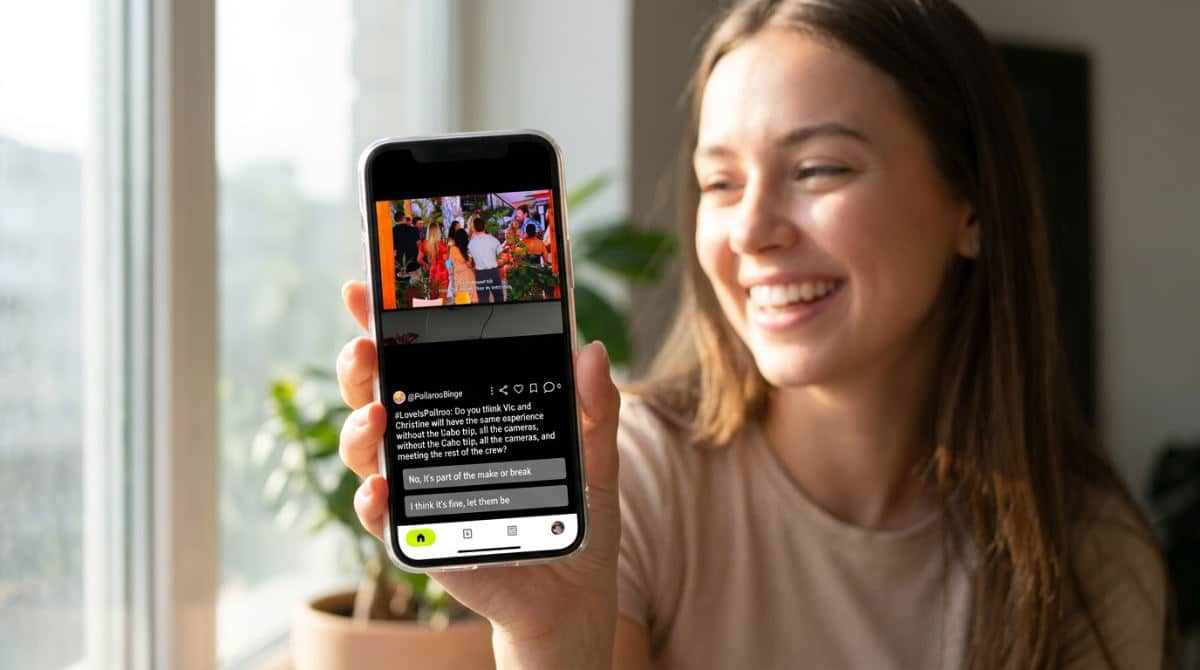
Lighting is the single most important factor when you’re taking a good selfie. Position yourself near large windows or step outdoors to find soft, even illumination. Natural light fills in fine lines. It prevents the bleak, blurry results common in low-light environments. Artificial sources, like computer screens or bright overhead bulbs, often create unnatural color casts that make skin tones look sickly. Use the sun as your primary light source. This ensures features stay clear without the digital noise that plagues indoor shots. If you’re struggling with a dark room, move toward the light until your face is evenly lit. This simple shift creates a professional glow that no filter can truly replicate. It is the easiest way to upgrade photo quality instantly without buying expensive gear.
Source: Snappy Snaps
2. Use Pollaroo to get anonymous, unbiased feedback on which selfie looks best.
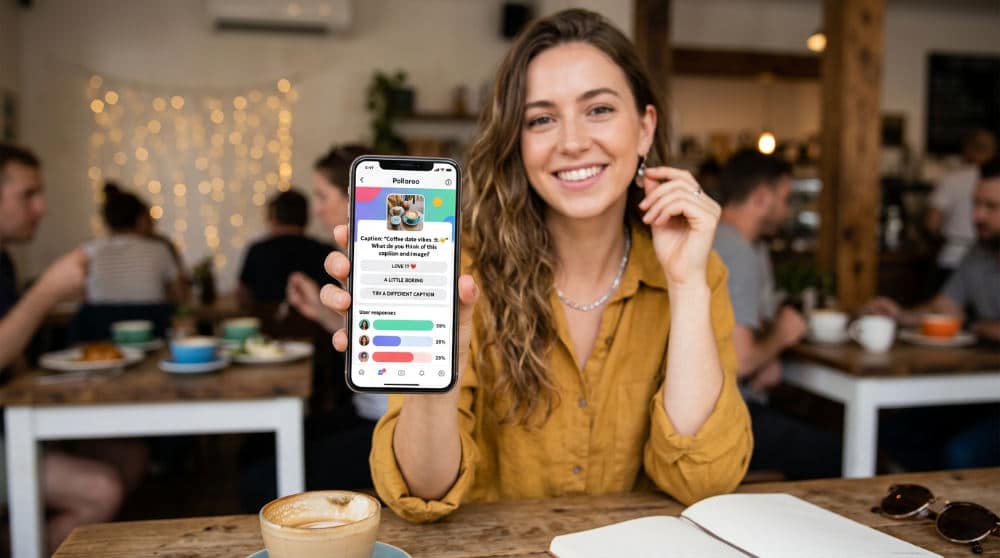
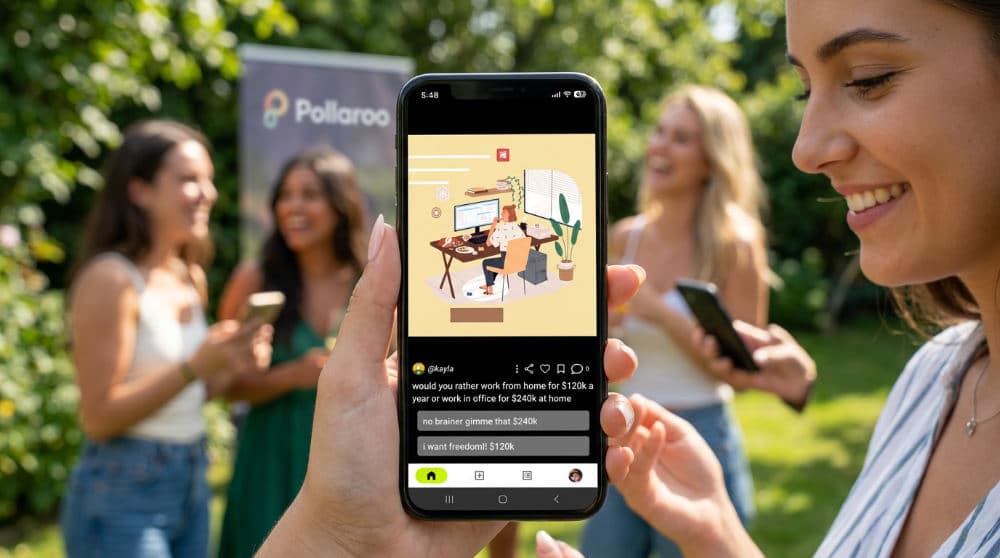
Sometimes you are too close to your own image to judge it fairly. We built Pollaroo to help you decide which angle or lighting works most effectively by letting you create a photo poll. Instead of guessing which shot will perform best on your main profile, you can get community feedback from our users. Get the answer. Stop wondering. We think it turns a single selfie into a dynamic social experience. Use these images as icebreakers within our community to foster deeper, authentic connections with people who share your interests. If you’re testing out a new hairstyle or comparing two different outfits, our interactive photo poll features provide real-time data on your visual impact. It takes the anxiety out of posting. You already know which version resonates most with a real audience.
Source: Pollaroo Blog
3. Utilize iPhone’s Portrait Mode to create a professional depth-of-field effect.
Modern smartphone photography relies heavily on software to bridge the gap between mobile lenses and professional gear. iPhone’s Portrait Mode is a standout tool because it uses software to create a bokeh effect traditionally reserved for high-end cameras. This feature automatically blurs the background. It makes the subject pop and adds a sense of three-dimensional depth to the frame. Use it. It’s particularly useful when you’re in a location that isn’t perfectly clean or aesthetically pleasing. By blurring out the clutter behind you, the viewer’s focus remains entirely on your face. This depth-of-field adjustment gives your selfies a high-end, editorial feel that looks significantly more polished than a standard wide-angle snap. Just ensure you have enough distance between yourself and the background (about three to six feet) so the software can accurately map the edges of your hair and shoulders.
Source: Snappy Snaps
4. Hold the camera slightly above eye level to define your features.
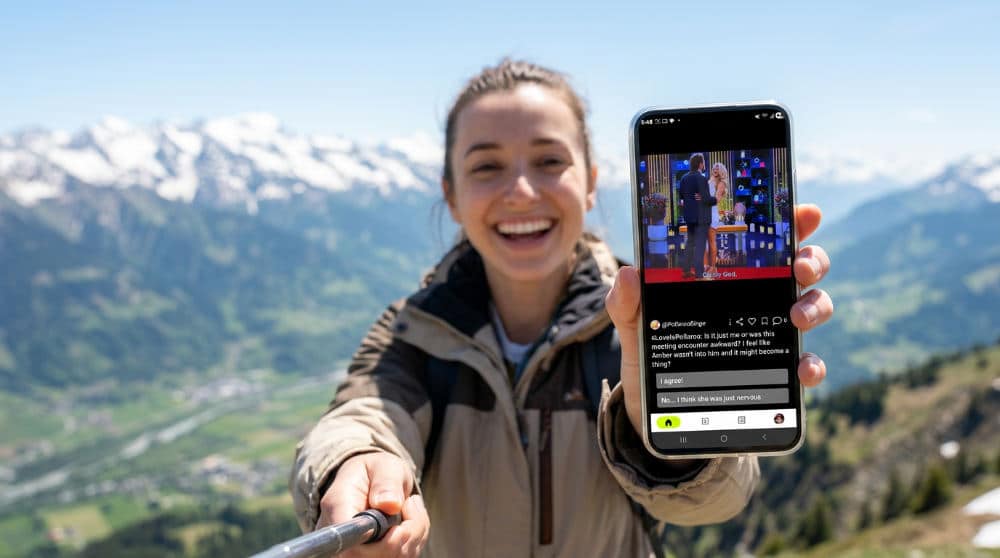
The angle of your phone can completely reshape your face on screen. Finding an elevated angle and tilting the lens can produce a more flattering result. Looking up at the lens makes your jawline look sharper. It causes your eyes to appear brighter and more open. Avoid shooting from below unless you want to look like a thumb. This angle can create unflattering shadows under the chin and emphasize the underside of the nose. To make the shot feel more dynamic, try experimenting with slight side-tilts rather than facing the lens directly. This reveals more of your profile and adds a sense of movement to the image. Experimenting with different angles helps accentuate cheekbones, giving the face more structure and dimension. Small adjustments in height can be the difference between a flat snapshot and a striking portrait.
Source: Snappy Snaps
5. Switch to the back camera to achieve higher resolution and clarity.
While the front-facing camera is convenient, the back-facing camera on most smartphones is technically superior. These rear lenses generally have better hardware and significantly better sensors, allowing for greater detail and better performance in tricky lighting. You cannot see the screen to check your pose, but the resulting image quality is noticeably sharper and more vibrant. Bridge this gap by using a self-timer, which gives you several seconds to pose after pressing the shutter button. This technique is excellent for high-stakes photos where you want the maximum possible resolution for printing or high-quality digital sharing. If you’re working with a professional team for professional content, they’ll tell you that sensor size and clarity always beat convenience. For your personal shots, the extra effort of using the main lens pays off in every pixel.
Source: Snappy Snaps
6. Use a blank wall or simple canvas to keep the focus entirely on you.
A cluttered background is the fastest way to ruin a great selfie. To keep the focus entirely on yourself, look for an uncluttered background. Before you hit the shutter, take a second to remove distracting objects like picture frames, messy shelves, or weird wall shadows. A simple background ensures that the viewer’s eye isn’t drawn away from your face or the emotion you’re trying to convey. Simplicity helps tell a much clearer story about who you are without the noise of background clutter. If you’re at home, a plain white or soft grey wall works best as it reflects light back onto your skin. This minimalist approach is especially effective for reaction polls where you want people to focus on your expression rather than trying to figure out what is happening in the room behind you.
Source: The Click Community
7. Face the light source directly to avoid unflattering facial shadows.
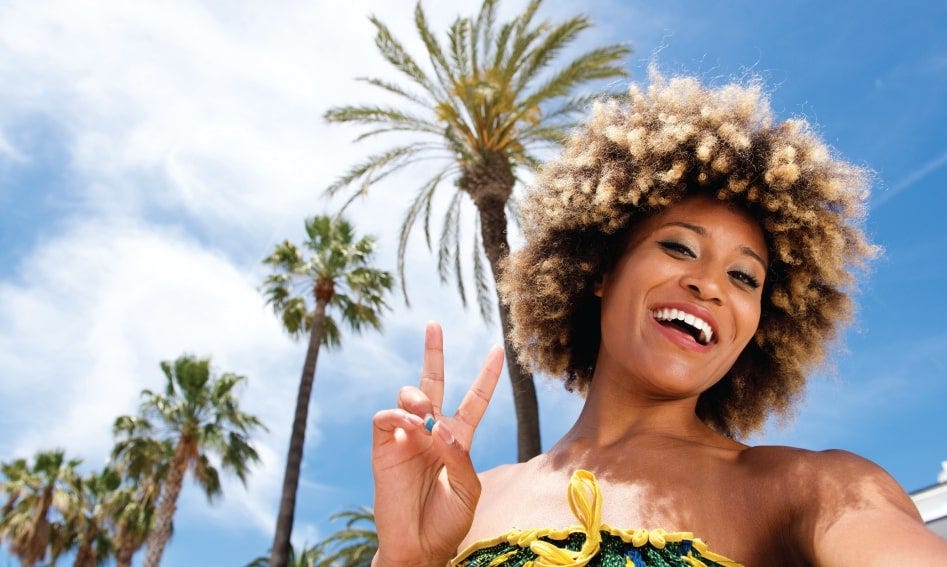
Image source: snappysnaps.co.uk
Directional lighting can be your best friend or your worst enemy. To get the best results, you must face the light source directly. Keep the sun or a window in front of you, not behind you. When the light is behind you, it creates a silhouette effect that leaves your face in deep shadow and often causes the camera to overexpose the background. Facing the light illuminates the eyes and smooths out the skin tone naturally. If the light is positioned at your back or directly overhead, it can cause you to squint and create dark circles under the eyes. By turning toward the light, you fill in those shadows and give your skin a clearer, more even appearance. This is a fundamental rule of smartphone photography that applies whether you’re using a professional ring light or just a sunny afternoon window.
Source: Snappy Snaps
8. Take a high volume of shots to find the ‘one’ perfect frame.
Don’t expect to get the perfect shot on your first try. Even professional-looking selfies are rarely the result of a single snap. We recommend taking a high volume of shots while varying your poses and angles slightly between each one. Take fifty. Maybe a hundred. This gives you a library of options to choose from later. Frequent practice helps you understand which side of your face is your "best side" and how different expressions translate on camera. Once you have a dozen or more variations, you can sort through them to find the one with the best lighting and most natural expression. This volume-based approach is exactly how you find the gems that are worth sharing. If you have two favorites and can’t decide, read our blog for more ideas on how to let your friends help you pick the winner through interactive polls.
Source: Snappy Snaps
9. Master subtle body and head tilts to add dimension to the frame.
Standing completely flat or "square" to the camera lens often results in a mugshot-style photo that feels stiff and two-dimensional. To add more life to your images, master the art of the subtle tilt. Small adjustments in your shoulder position can drastically change the mood of the shot, making it feel more relaxed or elegant. Tilting your head slightly to one side can convey different emotions, ranging from playful and curious to serious and thoughtful. These micro-movements create diagonal lines in the composition, which are naturally more pleasing to the human eye. Instead of staring straight into the glass, try looking just a fraction above or to the side of the lens to avoid the "deer in headlights" look. These small postural shifts help you find your most flattering lines and make the final image feel much more intentional and professional.
Source: The Click Community
10. Selfies are essential for solo travelers to document their personal growth.
For those exploring the world alone, selfies are more than just vanity. They are essential tools for documenting a journey. They serve as weightless, inexpensive souvenirs that capture the "you" in the moment of discovery. These images allow distant friends and family to "witness" your evolution and growth while you’re away, providing a visual narrative of your experiences. The process of taking a selfie in a busy public place can even serve as a social icebreaker to meet new people. Many solo travelers find that the act of taking a photo can lead to conversations with locals or other travelers who offer to help. Selfies record your personal growth over time, showing how your confidence and perspective change as you navigate new environments. They are a digital diary of where you’ve been and who you’ve become along the way.
Source: Solo Traveler
11. Incorporate meaningful objects to express your personality beyond just your face.
A great selfie should tell a story, and sometimes your face is only part of that narrative. Incorporating meaningful objects helps express your personality and provides context to the viewer. Using props like a coffee cup, a favorite book, or a professional camera can signal your interests and hobbies without the need for a long caption. This approach makes the selfie a glimpse into your personal world rather than just a record of your appearance. It also gives your hands something to do, which helps reduce that awkward feeling people often get when posing. Whether it is a piece of sports equipment or a pet, these elements add character and make your photo stand out in a crowded social feed. It transforms a simple portrait into a conversation starter that invites people to engage with your lifestyle and passions.
Source: The Click Community
12. Limit your editing to subtle retouches to maintain a natural look.
The goal of post-processing should be a refined version of yourself, not an unrecognizable one. We suggest limiting your editing to subtle retouches that enhance the photo rather than mask it. Avoid over-filtering, which can make photos look artificial, grainy, and low-quality. Instead, use subtle edits to enhance the lighting, balance the contrast, or crop the frame for a better overall composition. Modern apps allow you to brighten the eyes or smooth the skin very slightly without removing the natural texture that makes you, you. Over-edited photos often lose their "human" quality, which can make them less engaging on social platforms. Focus on keeping the colors true to life and the details sharp. Staying true to your natural appearance is a major trend, and a natural-looking photo will almost always outperform one that’s been obviously manipulated or distorted by heavy filters.
Source: Snappy Snaps
13. Consider using a selfie stick to capture more of the environment.

Image source: solotravelerworld.com
When you want to capture more than just your face, a selfie stick is an invaluable tool. This device is ideal for including vast landscapes, architectural landmarks, or group shots without the distortion that happens when you over-extend your arm. It provides a much wider field of view than manual holding can achieve, allowing you to place yourself within a larger context. This is particularly useful for solo travelers who want to be seen "at" a specific location rather than just in front of it. By increasing the distance between the lens and yourself, you can capture the scale of a mountain range or the bustle of a city street behind you. It turns a standard close-up into an environmental portrait that feels much more cinematic. Check local regulations, as some museums or crowded landmarks have specific rules about their use.
Source: Solo Traveler
9. Master subtle body and head tilts to add dimension to the frame.
Achieving a professional look often requires breaking away from a static, forward-facing stance. Avoid standing completely flat or square to the camera lens, as this can make your silhouette appear wider and less dynamic. Instead, small adjustments in shoulder position can drastically change the mood of the shot, creating a more relaxed and slimming effect. Tilting the head slightly can convey different emotions, from a playful and approachable vibe to something more serious and focused. By angling your body about 45 degrees away from the lens and then turning your head back toward the camera, you create depth and highlights that a straight-on shot lacks. This technique helps define the jawline and prevents the photo from looking like a driver’s license or passport picture. Experimenting with these micro-adjustments allows you to discover how shadows fall across your face, helping you find your most flattering angles for every lighting situation.
Source: The Click Community
10. Selfies are essential for solo travelers to document their personal growth.
For those exploring the world alone, photography is about more than just aesthetics. It is a way to record a journey. Selfies are essential for solo travelers to document their personal growth, serving as weightless and inexpensive souvenirs of a transformative journey. These images allow friends and family to witness your evolution and experiences while you’re away, bridging the gap between your adventures and their home lives. Beyond personal documentation, taking a selfie in public can even serve as a social icebreaker to meet new people. Often, a fellow traveler might offer to take the photo for you, sparking a conversation. Those who enjoy sharing these moments can find more advice by visiting the pollaroo blog for tips on social storytelling. Capturing your face in front of global landmarks provides a sense of scale and proof of presence that a simple landscape shot cannot replicate, turning a trip into a deeply personal narrative.
Source: Solo Traveler
11. Incorporate meaningful objects to express your personality beyond just your face.
A great portrait tells a story about who you are. Incorporate meaningful objects to express your personality beyond just your face. Using props like a favorite coffee cup, a book you’re reading, or a professional camera can signal your specific interests to the viewer immediately. These objects help provide context and show your hobbies without needing a lengthy caption, making the image a genuine glimpse into your personal world. This approach also gives your hands something natural to do, which helps reduce that awkward feeling people often get when posing. Whether it’s a piece of sports equipment or a pet, these elements add character and make your photo stand out in a crowded social feed. If you are a content creator looking to produce higher-end visuals, you might consider professional production services to improve your digital presence. Adding these personal touches transforms a simple portrait into a conversation starter.
Source: The Click Community
Technical Excellence for Android and Public Safety
For those using Android devices, achieving professional composition is easier when you enable grid lines in your camera settings. This feature helps you improve your composition, placing your eyes or face along strategic points for a more balanced and visually appealing result. Also, you should utilize Night Mode on Android smartphones for better low-light performance. This software-driven feature captures more detail in dim environments without relying on the harsh, flat light of a flash.
Beyond the technical settings, physical safety is paramount when capturing images in the real world. When taking selfies in high-traffic or public areas, always be aware of your surroundings to ensure your physical well-being. It is easy to become distracted by the screen, but you must avoid standing near dangerous ledges, busy roads, or unstable structures. Watch your step. Professional results never come at the cost of personal safety. Always prioritize your environment over the perfect shot, ensuring that you’re not obstructing foot traffic or putting yourself in harm’s way just to get a specific angle.
How to Use Selfies for Maximum Engagement on Pollaroo
Once you have mastered the art of the self-portrait, you can use your images to spark interactive conversations. You might select two selfies with distinct lighting or different outfits to create a comparison poll for honest aesthetic feedback. This is a practical way to decide which look works best for a date or a professional profile. To ensure the best results, always use high-quality images from your back-facing camera so voters can see the details of your outfit or accessories clearly.
Participating in the community by voting on others’ photos is also a great way to learn what visual elements attract the most positive attention. By analyzing the anonymous data and comments you receive on your own posts, you can refine your style over time. This feedback loop ensures your next photo is your best one yet. We love seeing how users grow. Leveraging these images as icebreakers helps foster deeper connections within the community, turning a simple solo photo into a dynamic social experience that invites others to share their opinions and tips.
Frequently asked questions
How do you take a good selfie without it looking awkward?
To avoid a stiff appearance, focus on relaxing your jaw and shoulders before pressing the shutter. Use a slight head tilt and try focusing your eyes just above the lens rather than staring directly into it. Incorporating a prop, such as a coffee cup, gives your hands a natural task, which helps you feel more comfortable and look more relaxed in the frame.
What is the best angle for a selfie?
The most flattering technique is to find an elevated angle and tilt the camera towards you. This helps define the jawline and avoids low angles that highlight the underside of the chin. You should also experiment with different side angles, which helps accentuate your cheekbones and provides more depth than a direct, head-on shot.
How can I take a good selfie for a Pollaroo reaction poll?
Choose a clear, well-lit image where your facial expression clearly conveys the specific emotion you want feedback on. Ensure the background is simple and uncluttered so voters can focus entirely on your reaction. Always upload high-resolution shots to ensure the subtle details of your expression are visible to the community, leading to more accurate poll results.
Does the time of day matter for outdoor selfies?
Yes, timing is critical for outdoor lighting. Natural light during the times shortly after sunrise or before sunset provides very flattering, warm light for skin tones. Midday sun often creates harsh shadows and causes squinting, so it’s best to find a shaded area during that time. Overcast days are also excellent, providing soft, diffused light.
Ready to see which of your new photos truly stands out? You can download our mobile app to start polling your best selfies and get instant, honest feedback from a global community of style enthusiasts today.