
Last updated August 29, 2026
Ice breakers photos are a powerful way to transform static meetings into dynamic social experiences. This guide covers curated visual activities designed to bridge gaps between remote and office environments. We explore how integrating real-time polling turns simple image sharing into a high-participation game.
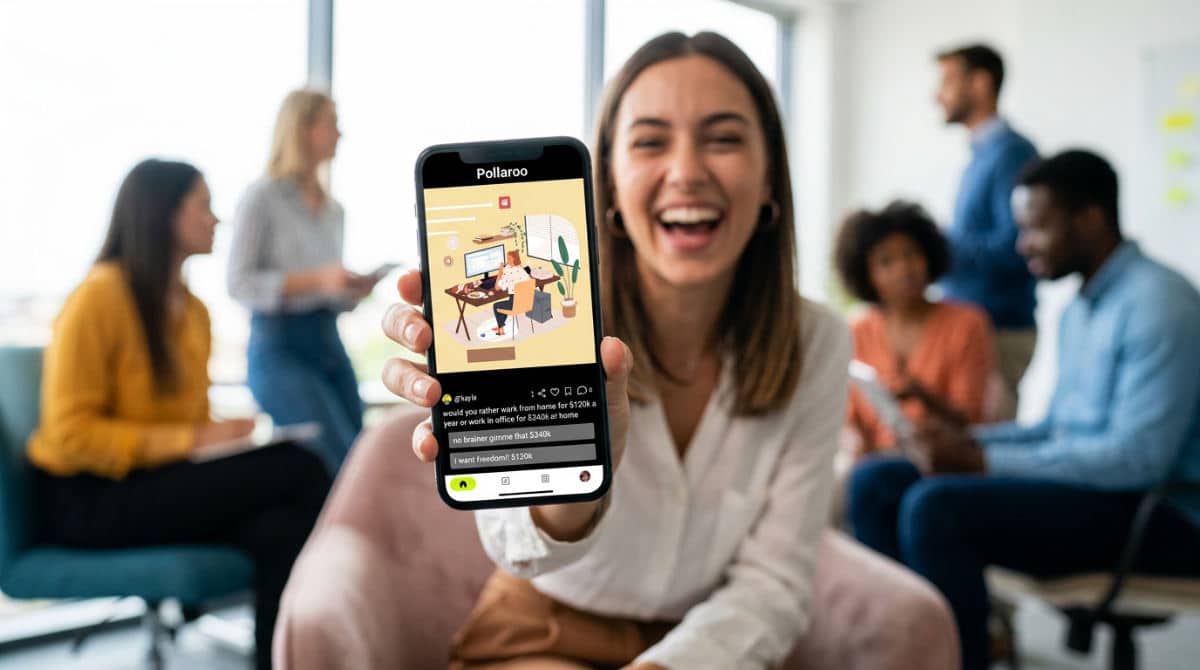
1. Use Pollaroo’s real-time voting feature to transform a simple photo share into an interactive game show experience.
We’ve seen it a thousand times. Someone shares a photo in a chat thread, a few people leave a "thumbs up" emoji, and the momentum dies instantly. To fix this, shift the dynamic from passive observation to active, gamified participation. Instead of just viewing images, use the Home – Pollaroo platform to allow participants to engage by voting on their favorite submissions instantly.
Our platform handles the real-time tallying, which creates a high-energy, competitive atmosphere suitable for any group size. By turning a standard "show and tell" into a live competition, you ensure every participant is paying attention to the visual details of their colleagues’ contributions. This method is particularly effective for large-scale events where individual voices might otherwise be lost.
"Livestorm recommends 20-30 minutes for a photo sharing ice breaker with 10-15 participants to ensure meaningful engagement without losing momentum."
When you use a dedicated polling tool, you aren’t just looking at pictures; you’re building a collective experience where the results unfold in front of the entire team. It makes the ice breaking process feel like a main event rather than a chore.
2. Leverage Pollaroo to allow participants to vote on their favorite photo submissions anonymously.
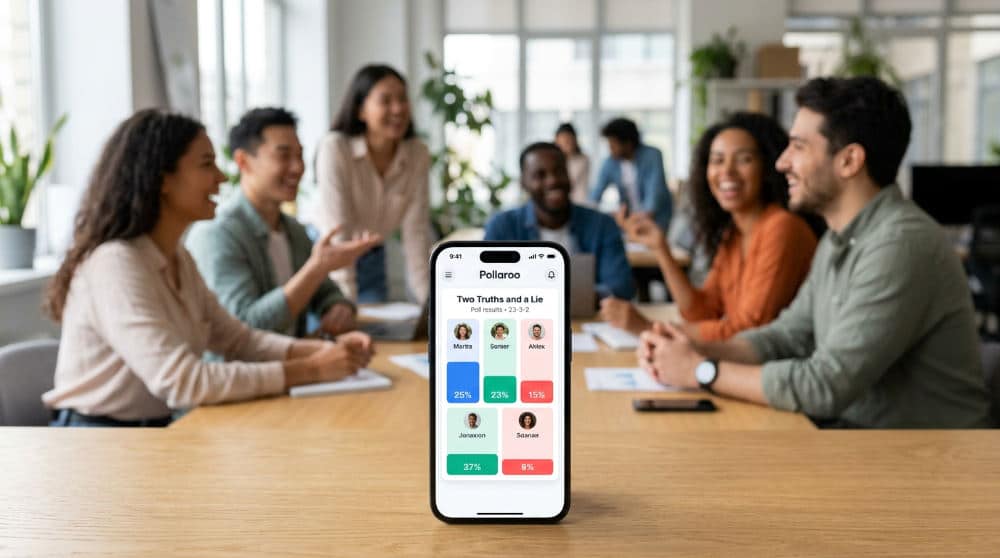
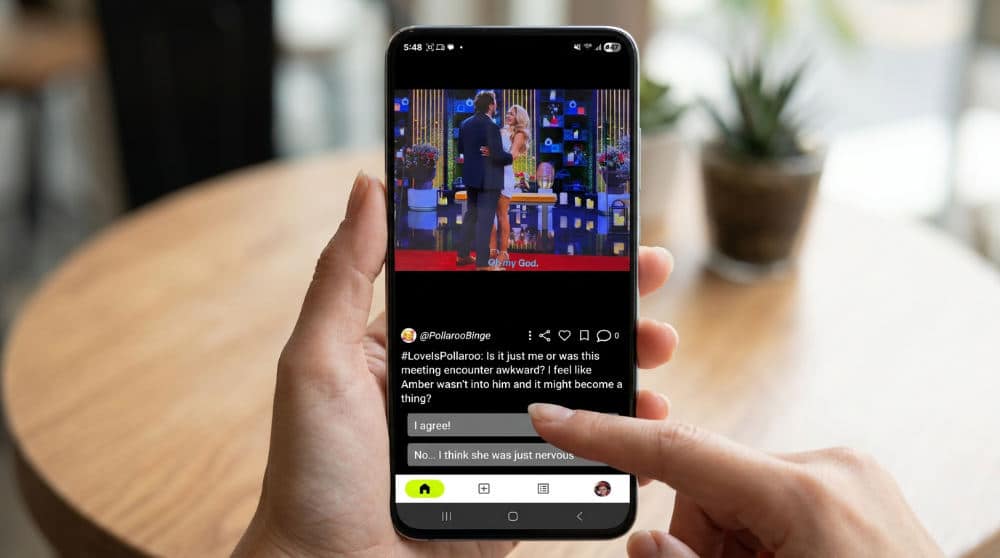
One of the biggest hurdles to successful team bonding is the "spotlight effect," where shy team members hesitate to share for fear of being judged. You can solve this by removing that anxiety through anonymity, which encourages much higher participation rates. When you use Pollaroo for your ice breakers photos, you provide a safe space for honest feedback and authentic visual expression without social pressure.
Anonymous polling ensures the focus remains on the creativity of the photo rather than the popularity of the individual. This is crucial for building a culture where ideas are valued on their own merit. If you want to dive deeper into how to structure these sessions, you can find more strategies on the Pollaroo Blog to help you get started. By keeping the voting anonymous, you allow for a more playful and daring atmosphere.
3. Deploy ‘Throwback Thursday’ photos to build nostalgic connections.
Nostalgia is a bridge that connects people across different generations and backgrounds. To execute this, ask your team members for a childhood photo or a shot from at least a decade ago. This specific type of visual ice breaker is highly effective for building rapport in established teams that need a social refresh.
These prompts can spark humanizing stories that go far beyond professional titles. We suggest challenging the group to guess who is who before the final reveal to increase engagement. Watching a high-level executive’s toddler photo pop up on the screen instantly levels the playing field and reminds everyone of the humans behind the roles. It moves the conversation toward shared history and personal growth, which are the building blocks of long-term trust.
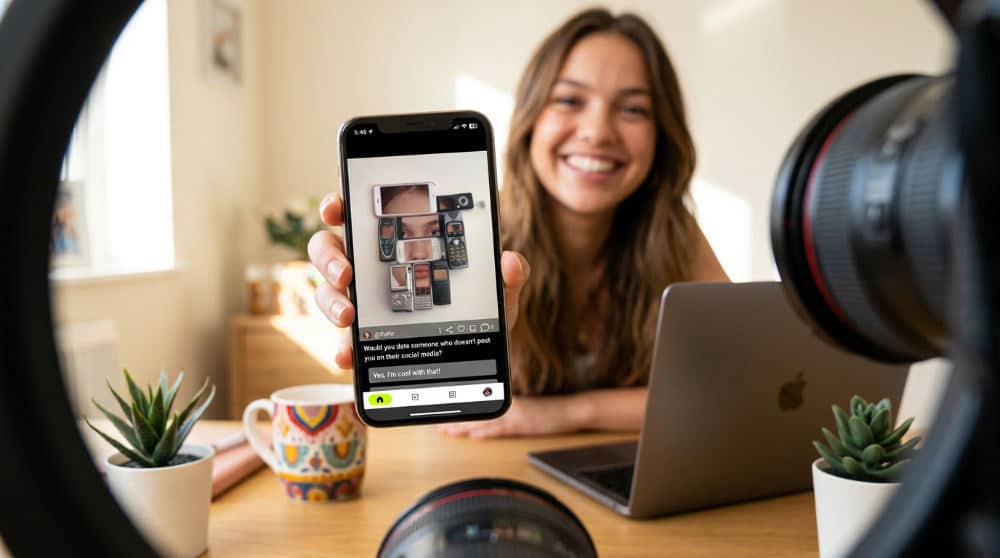
4. Execute ‘Mystery Object’ macro shots to gamify the ice breaking process.
If you need to wake up a group during an early morning session, the "Mystery Object" challenge is your best bet. You do this by sharing an extreme close-up photo of an everyday office object, turning it into a visual puzzle that is difficult to identify at first glance.
This creates a high-energy, competitive atmosphere early in a session. You should have the group vote or guess what the object is using a real-time poll for immediate feedback. The cognitive shift required to identify a macro image forces participants to engage their problem-solving skills, which primes their brains for the actual work meeting ahead. It’s a low-stakes way to build momentum.
If your team is more interested in the creative production side of these visuals, you might consider how professional Pretzel Logic Productions services handle complex visual storytelling. For a quick ice breaker, a smartphone camera and a tight crop are all you need to stump your colleagues and get them talking.
5. Utilize ‘Pet Cameos’ to instantly lower social barriers in new groups.
There is perhaps no faster way to build an emotional connection than through the pets we love. For this activity, ask your users to share the most recent photo of their pet or even a "dream" pet they hope to have one day. Visuals of animals are often high-engagement triggers for social interaction.
This serves as a high-reliability ice breaker for long-duration virtual events where energy levels might start to dip. The beauty of pet photos is that they are universally liked and require almost no effort for the participant to explain. You’ll find that even the most stoic team members tend to soften when describing their dog’s quirks or their cat’s favorite hiding spot.
6. Host a ‘Desk Setup’ reveal to bridge the gap between remote and office workers.
With hybrid work models, understanding where your colleagues spend their day is vital for empathy. Ask participants to snap a quick, unedited photo of their current workspace for total transparency. Use the visual to discuss personal productivity habits, ergonomic hacks, or unique decor items that reflect their personality.
Specific Picture Sharing Rules and Examples suggest that seeing a colleague’s messy desk or their collection of indoor plants provides context that you just don’t get from a standard video call background. It’s an authentic way to show that while we all work for the same goals, our daily environments are beautifully diverse. This transparency helps remote workers feel less isolated and gives office-based employees a better understanding of the distractions their remote counterparts deal with daily.
7. Run a ‘Snapshot of Your Day’ challenge to foster empathy through daily routines.
To move beyond professional small talk, you need to invite people to share their "real life." In this challenge, participants share one non-work photo taken within the last 24 hours. It could be a blurry photo of a morning walk, a cup of coffee, or a sunset. You should spend time allowing each person to briefly explain the context of their image.
This activity helps build a deeper understanding of the daily rhythms that define your team members. By focusing on the mundane but meaningful moments of the last day, you foster a sense of presence. It’s not about the "best" photo; it’s about the "realest" photo. This builds a culture of empathy where colleagues see each other as people with lives that continue long after the laptop is closed.
8. Implement ‘Emoji Reconstructions’ where photos represent feelings.
Mental health check-ins are essential in high-stress environments, but many people find it difficult to put their feelings into words during a meeting. You can bridge this gap by asking participants to take a photo of an object that represents their current mood rather than showing their face.
By avoiding actual faces, you keep the activity abstract and low-pressure for camera-shy individuals. As noted in the collections at iStock, which features over 10,600 stock images specifically categorized for ice breaking activities, visual metaphors can often communicate complex emotions more effectively than text. You might see a photo of a sturdy oak tree representing someone who feels grounded, or a tangled ball of yarn for someone who feels overwhelmed.
9. Use ‘Travel Bucket List’ images to spark aspirational conversations.
For larger departments where finding common ground is traditionally difficult, aspirational imagery serves as a bridge. In this activity, participants share a photo of a destination they dream of visiting. This provides a natural opportunity for group members who have already traveled there to offer personal tips, creating an immediate value-add interaction that goes beyond basic pleasantries.
When employees see a colleague’s dream of visiting the Swiss Alps or a bustling Tokyo street, it humanizes them instantly. These visual cues often reveal shared interests that never would have surfaced during a standard project update. By focusing on future goals rather than past work achievements, you shift the energy of the room toward positivity and mutual support.
10. Engage in ‘Culinary Show-and-Tell’ to connect over food culture.
Food serves as a common language across every culture, making it a high-participation tool for any team leader. You can facilitate this by asking members to share a photo of the last meal they cooked or a favorite dish from a local restaurant. Discussing specific recipes or debating regional food differences stimulates lighthearted and inclusive debate that everyone can contribute to.
This activity does more than just fill time. It provides a window into a person’s heritage and lifestyle. One team member might share a photo of a traditional family sourdough, while another reveals a penchant for spicy street food. These snapshots often lead to deeper questions about cooking techniques or restaurant recommendations. Because everyone eats, the barrier to entry is non-existent, making it an ideal choice for teams with diverse backgrounds.
11. Leverage ‘Hobby Highlights’ to identify hidden talents within the team.
Every workplace is filled with hidden talents that rarely see the light of day in a professional setting. You can uncover these by asking participants to share a photo of a project, a musical instrument, or a piece of specialized equipment related to a personal hobby. Once the photos are shared, allow others to vote on which hobby they find most intriguing.
Identifying these unique skills helps in building a more cohesive unit. Whether someone is a weekend woodworker, a marathon runner, or a digital illustrator, seeing the physical evidence of their dedication builds respect among peers. It reminds the group that their colleagues are multi-dimensional individuals with complex lives. This recognition of "the whole person" is a cornerstone of long-term employee retention.
12. Compare ‘Morning Coffee’ mugs to reveal personality traits.
Sometimes the best ice breakers are the ones that require the least amount of effort. Comparing morning beverage containers is a low-friction entry point for engagement that works perfectly for early meetings. Participants simply snap a photo of their mug or tumbler. Mugs often feature slogans, specific colors, or travel memories that serve as organic conversation starters.
This activity requires zero preparation, making it the ultimate tool for a busy manager. One person might have a mug with a humorous quote about coding, while another uses a souvenir from a national park. These small details provide a "hook" for others to ask questions without feeling intrusive. It is a gentle way to start the day, acknowledging the shared ritual of caffeine or tea before diving into the day’s agenda.
The Psychology of Visual Ice Breakers
Visual communication is a powerful tool because it reduces social anxiety significantly faster than traditional verbal prompts. When a participant is asked to speak about themselves, the spotlight can feel intimidating. However, providing a focal point outside the self, such as a photo, shifts the attention to the object being discussed. This externalization makes it easier for introverted team members to contribute without feeling the pressure of a direct performance.
Photos also trigger different neural pathways than plain text or spoken words. The brain processes images thousands of times faster than text, leading to better memory retention of the stories shared by teammates. When you see a photo of a colleague’s pet or their favorite hiking trail, that mental image sticks longer than a written bio. Furthermore, sharing these personal visuals fosters a sense of psychological safety.
Setting Boundaries and Measuring Success
While photo sharing is effective, it is vital to establish clear privacy rules to ensure everyone feels comfortable. Participants must know that their photos will only be used for the duration of the internal session and will not be stored or shared externally without consent. Leaders should always emphasize that participation is voluntary. To maintain inclusivity, you can suggest that members share abstract photos if they prefer not to share personal images of their home or family.
Measuring the success of these activities goes beyond simply counting the number of photos uploaded. A truly successful session is defined by the quality of the interactions that follow. Track the number of follow-up questions asked or the duration of the spontaneous conversations that emerge after the photos are revealed. Utilizing mobile-specific tools can facilitate this process, allowing for seamless sharing and interaction without technical friction.
How to Act on These Insights
To implement these strategies effectively, start small. Introduce a low-stakes activity like a morning mug share during your next weekly sync to test the group’s comfort level. As the team becomes more accustomed to visual sharing, you can graduate to more personal topics like hobby highlights or daily snapshots. The goal is to build a consistent habit of visual connection rather than making it a one-off event that feels forced or performative.
For those managing larger or distributed workforces, you can take advantage of Pollaroo’s polling tools to see how your team’s interests and engagement levels compare to a wider audience. This data can help you understand broader trends in workplace culture and adjust your bonding activities accordingly. Always remember to provide an "opt-out" or an abstract photo option to ensure every team member feels respected and included. By making photo-driven ice breakers a regular part of your toolkit, you transform every meeting from a mandatory obligation into an opportunity for genuine human connection.
Frequently asked questions
What are some photo-based ice breakers?
Common activities include sharing desk setups, pet photos, and "mystery object" close-ups. Many teams find success with nostalgic "Throwback Thursday" photos or sharing "Travel Bucket List" images. These activities are highly effective for bonding because they provide a visual focal point that sparks natural conversation among colleagues.
How can I use Pollaroo for photo ice breakers?
You can upload photos directly to a poll and invite your team to vote on specific categories. By using the real-time voting feature, you turn a simple viewing into an interactive game show experience. This adds a layer of healthy competition and keeps participants engaged throughout the entire session.
How do I ensure everyone feels comfortable sharing photos?
Start by setting clear boundaries regarding privacy and ensuring everyone knows participation is voluntary. You can allow for abstract photos, such as objects or scenery, instead of personal faces to reduce pressure. Focus on low-stakes, high-interest topics like food or hobbies to keep the atmosphere light and inclusive.
Can photo ice breakers be done anonymously?
Yes, by using the Pollaroo platform, participants can submit and vote on photos anonymously to remove social pressure. Anonymity is particularly useful for "Guess Who" games or sensitive mental health check-ins where people might feel shy. This feature ensures that the focus remains on the content rather than the individual.
Ready to transform your team meetings? You can download pollaroo and start polling today to turn your next ice breaker into a high-engagement event that builds lasting connections.